.png)
Introduction
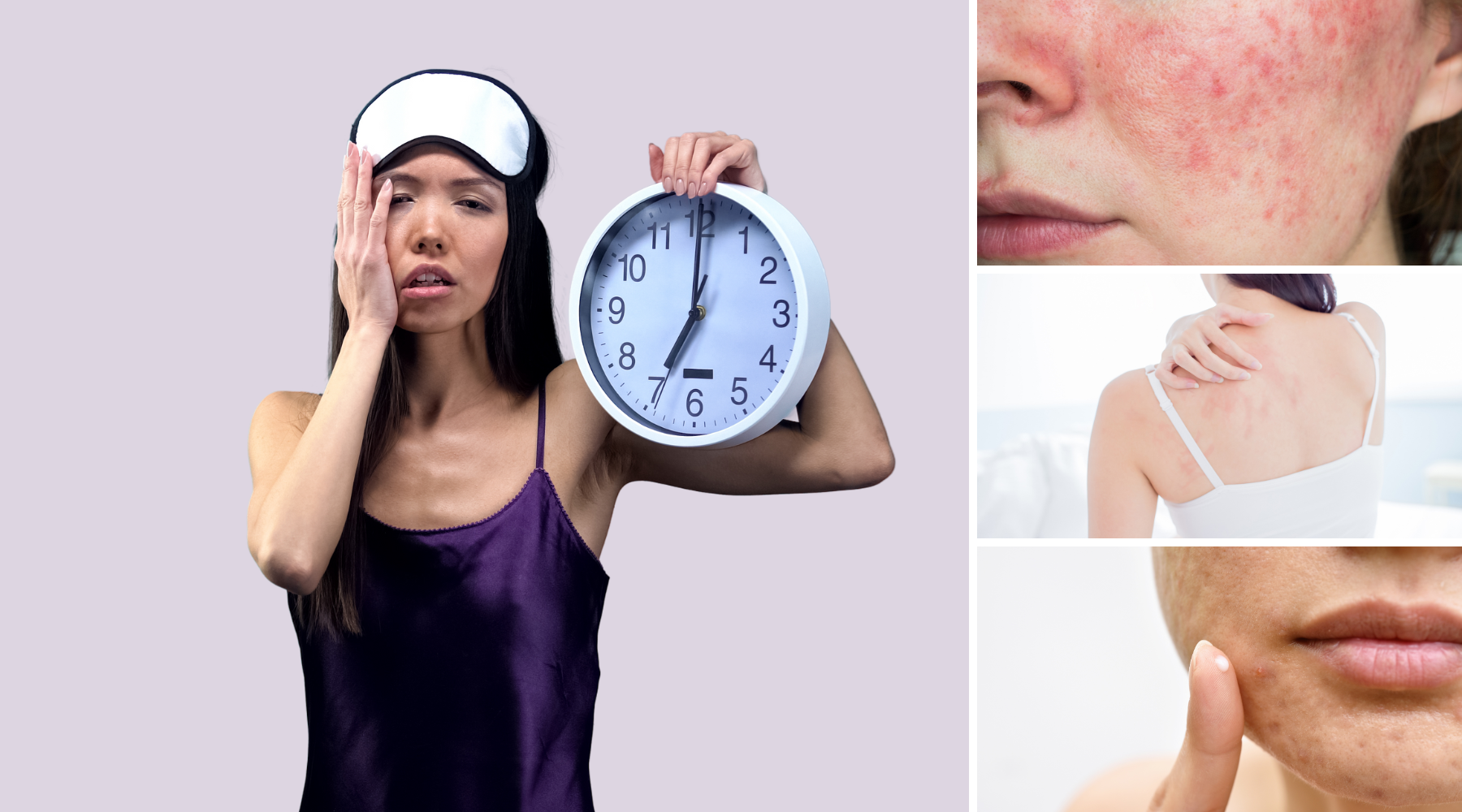
We all dream of glowing, healthy skin — but did you know your sleep patterns and stress levels hugely affect how your skin looks and feels? Skincare products help, but lifestyle changes are equally powerful. This guide explains the connection between sleep, stress, and skin, and gives simple, practical tips you can start tonight.
Why Sleep Matters for Skin Health
“Beauty sleep” is more than a saying. While you sleep your body repairs cells, restores balance, and produces the building blocks your skin needs.
- Collagen production: Sleep supports collagen synthesis for firmer skin.
- Improved circulation: Better blood flow gives a morning glow.
- Repair time: Sleep helps fix damage from sun, pollution and screens.
- Less puffiness: Good sleep lowers inflammatory hormones that cause bags and dark circles.
Experts recommend 7–9 hours of quality sleep per night for most adults. National Sleep Foundation.
How Stress Impacts Your Skin
Chronic stress releases the hormone cortisol, which can throw skin out of balance.
- Acne: Cortisol increases oil production and inflammation.
- Dryness & sensitivity: Stress weakens the skin barrier.
- Premature aging: Long-term stress accelerates collagen breakdown.
- Flare-ups: Conditions like eczema, rosacea and psoriasis often worsen with stress.
Clinical reviews show stress affects immune and inflammatory responses in skin. Journal of Clinical and Aesthetic Dermatology.
The Sleep–Stress–Skin Cycle
Poor sleep raises stress; stress = poor sleep. Together they create a loop that leads to dull, tired, breakout-prone skin. The good news: small habits can break the cycle.
Holistic Tips to Improve Sleep, Reduce Stress, and Heal Skin
1. Nighttime routine + sleep hygiene
- Cleanse gently and apply a light moisturizer with hyaluronic acid.
- Keep the bedroom cool, dark, and quiet.
- Go to bed and wake up at the same time daily.

2. Stress-reducing practices
- Try 10–15 minutes of meditation, deep breathing, or gentle yoga each day.
- Walk outside for natural light and mood-boosting benefits.
3. Skin-friendly diet
- Eat omega-3 rich foods (salmon, flaxseeds) and antioxidant-packed fruits (berries).
- Hydrate — water helps maintain skin's moisture balance.

4. Limit screens before bed
- Turn off phones/screens 60 minutes before sleep to protect melatonin production.
- Use blue-light filters if you must use devices at night.
5. Gratitude journaling
Write 2–3 things you’re grateful for before bed. It calms the mind and helps you sleep more peacefully.

Expert-backed resources
- National Sleep Foundation
- Harvard Health — stress management and sleep hygiene
- American Academy of Dermatology — skin & stress guidance
Final thoughts
Your skin reflects your overall health. Serums help, but long-term glow comes from consistent sleep, healthy stress habits, and good nutrition. Start with one small change tonight — turn off your phone an hour before bed or try a five-minute breathing practice. Your skin will thank you.
Quick takeaways
- Sleep repairs and restores skin.
- Stress can cause breakouts, sensitivity, and premature aging.
- Fixing sleep and stress together gives the best results for skin.
Best Herbs and Teas for Naturally Glowing Skin
Hormonal Acne: What Works and What Doesn’t
The Hidden Differences Between Drugstore and Luxury Skincare
Kitchen Skincare: Do DIY Masks Really Work, or Are They a Myth?
Maskne (mask + acne) Is Real: How to Prevent Breakouts from Face Masks
Eco-Friendly Skincare: Zero-Waste Routines That Actually Work
A Skincare Ingredient Passport: Exploring Products from Around the World
Why Double Cleansing Works (Even If You Don’t Wear Makeup)
How to Tackle Hyperpigmentation Without Harsh Treatments
What Skincare Can Teach Us About Self-Care & Mental Health
The Link Between Sleep, Stress, and Skin: A Holistic Guide
Comments
Post a Comment